
FOR SALE - 1956 land rover series 1 diesel
perkins engine upgrade
Carefully developed Series 1 86” with Perkins diesel, overdrive and galvanised bulkhead.
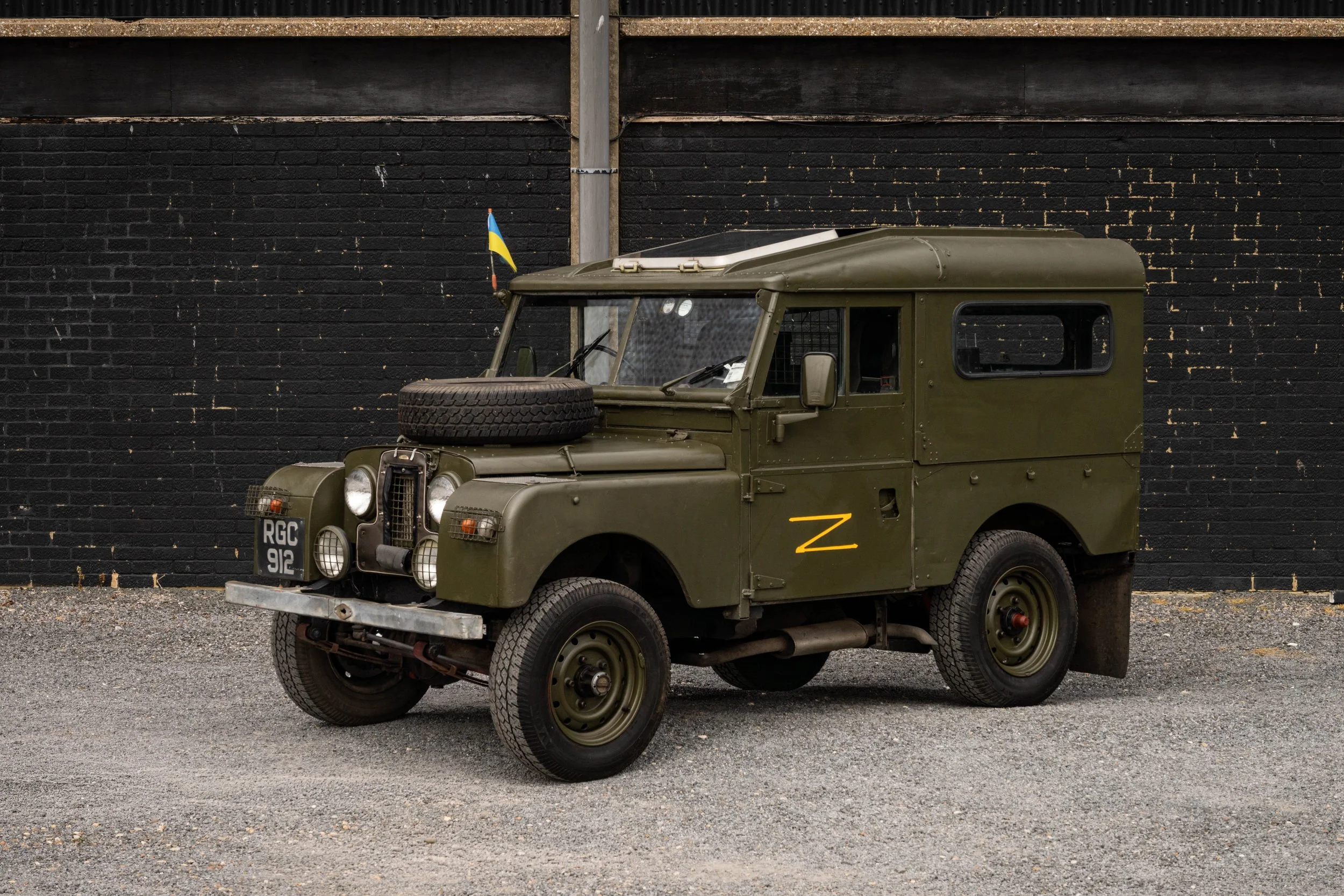
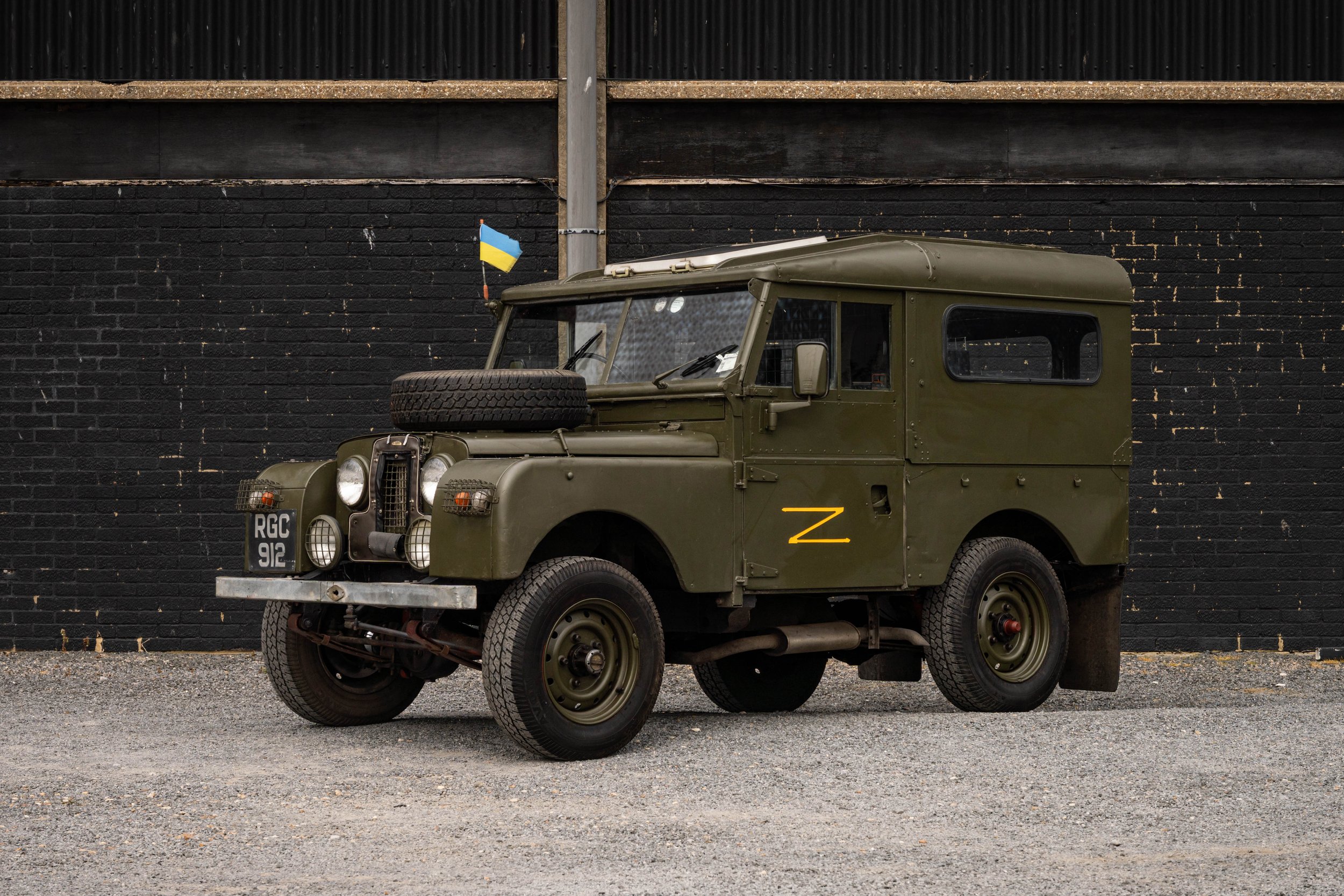
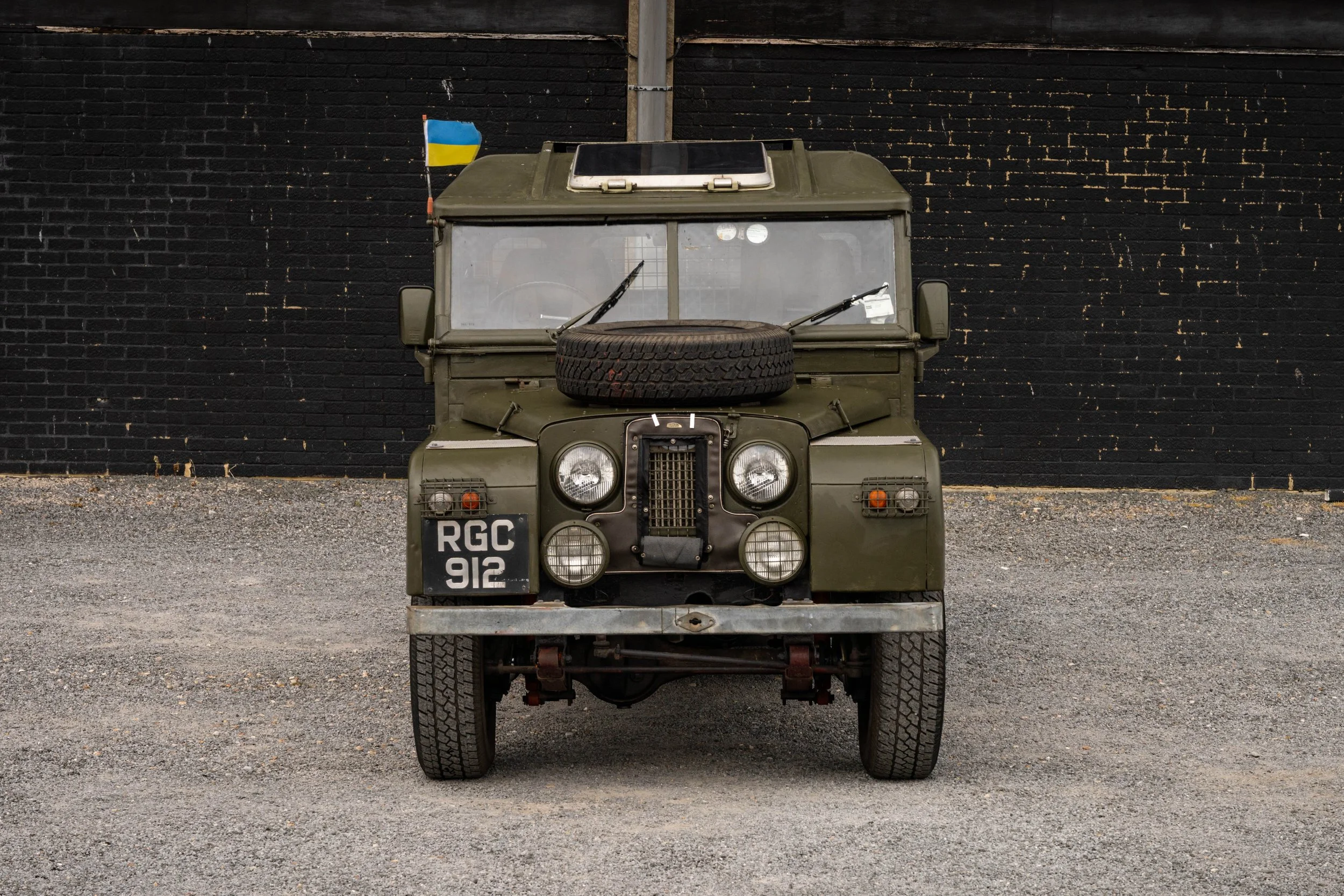
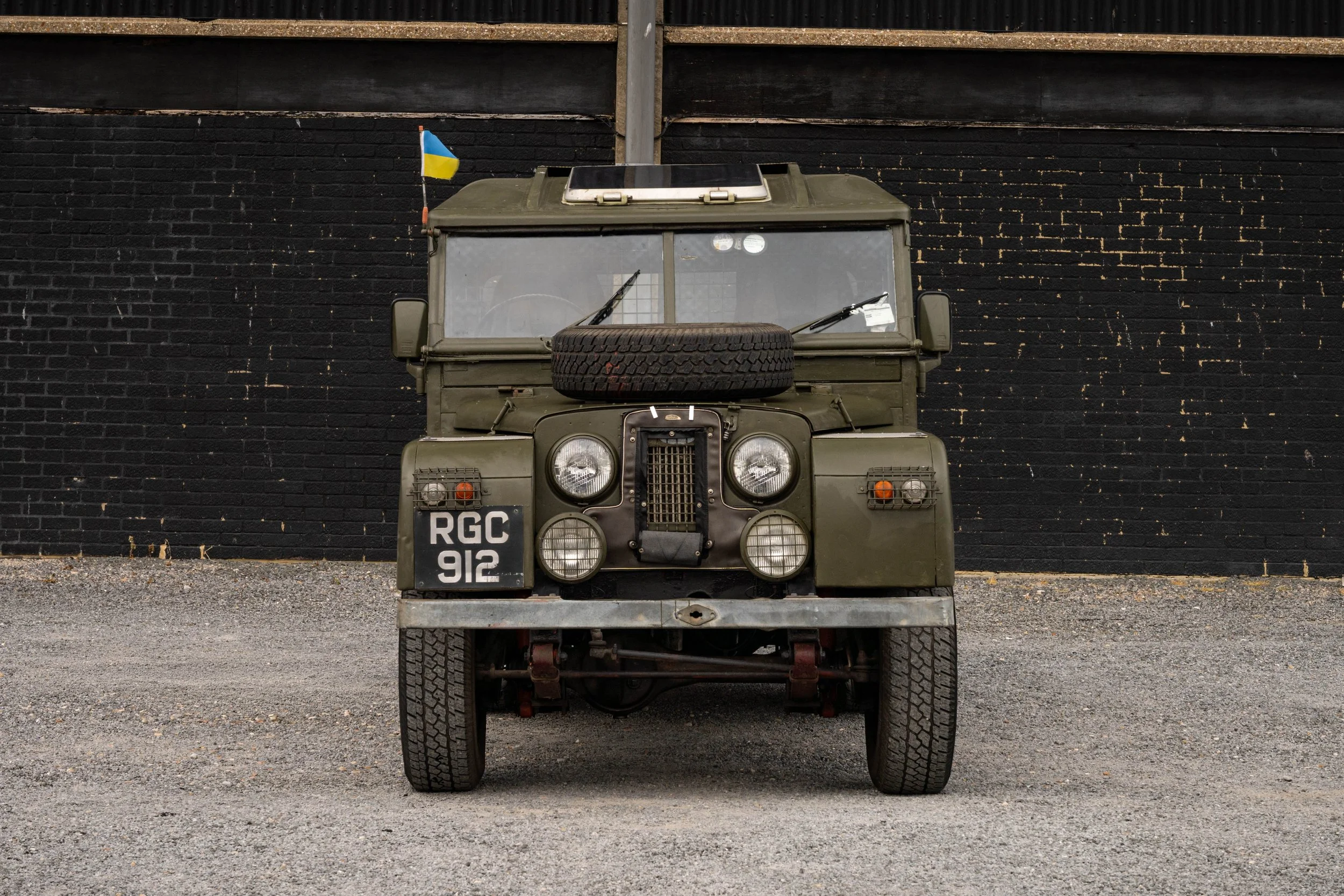
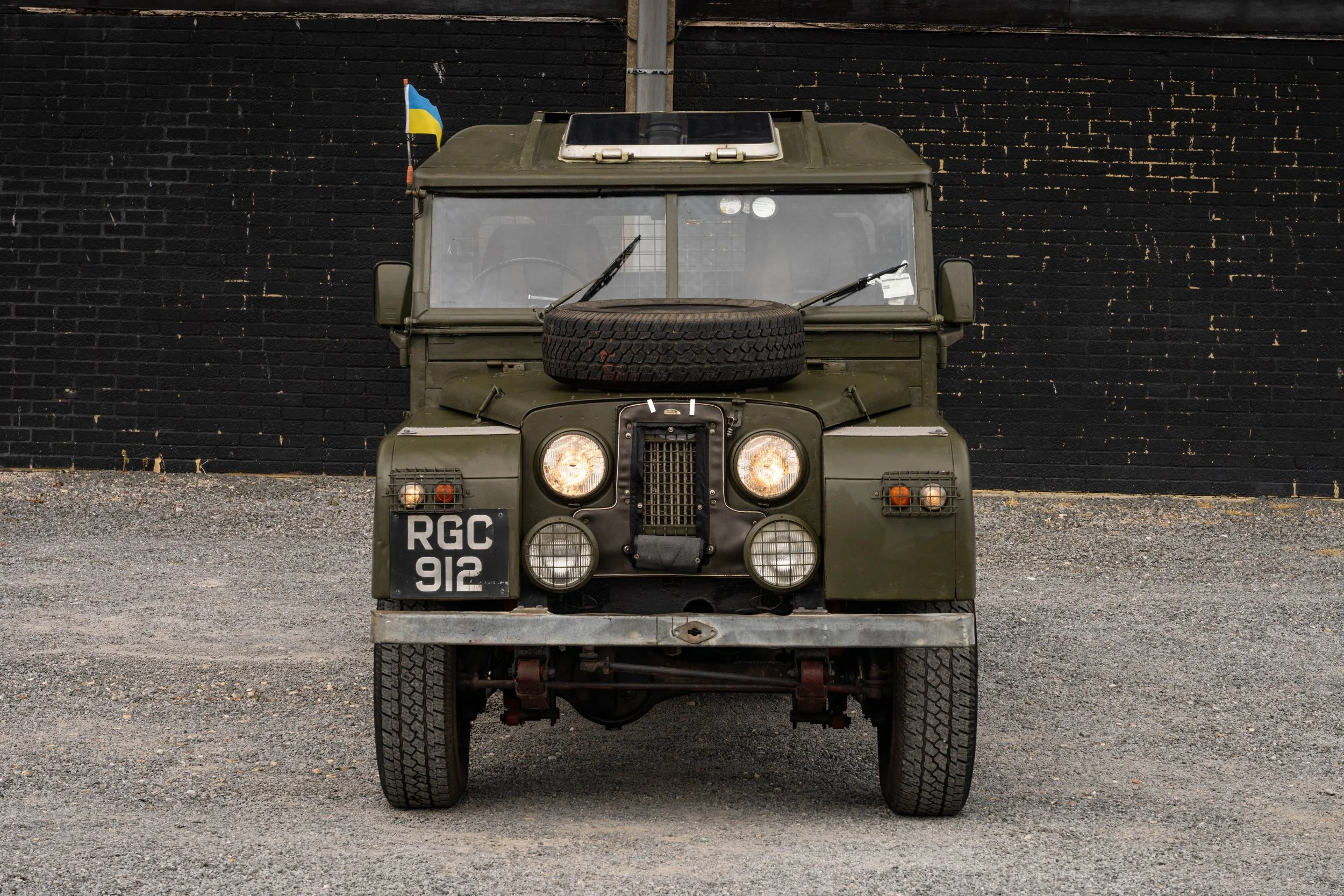

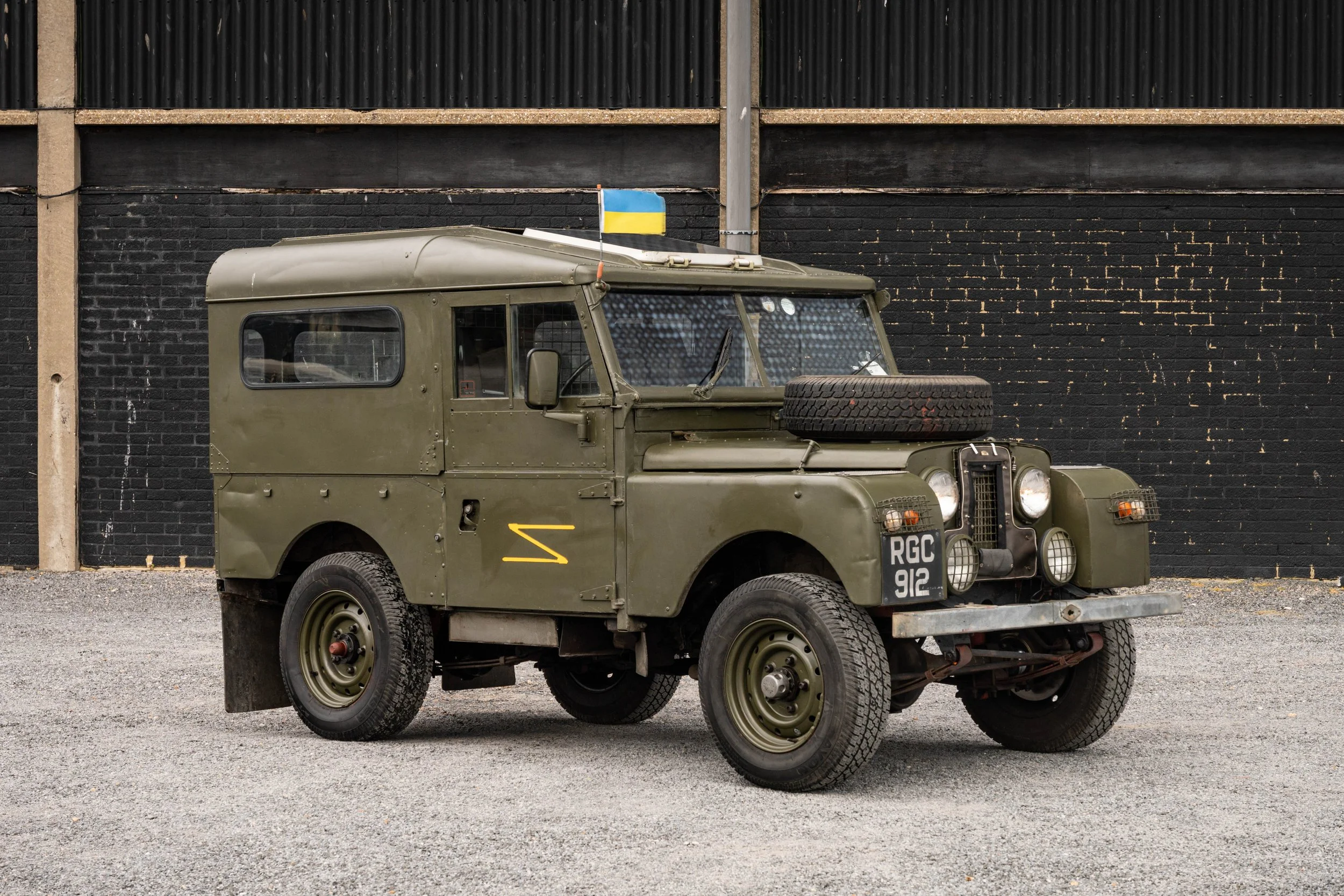
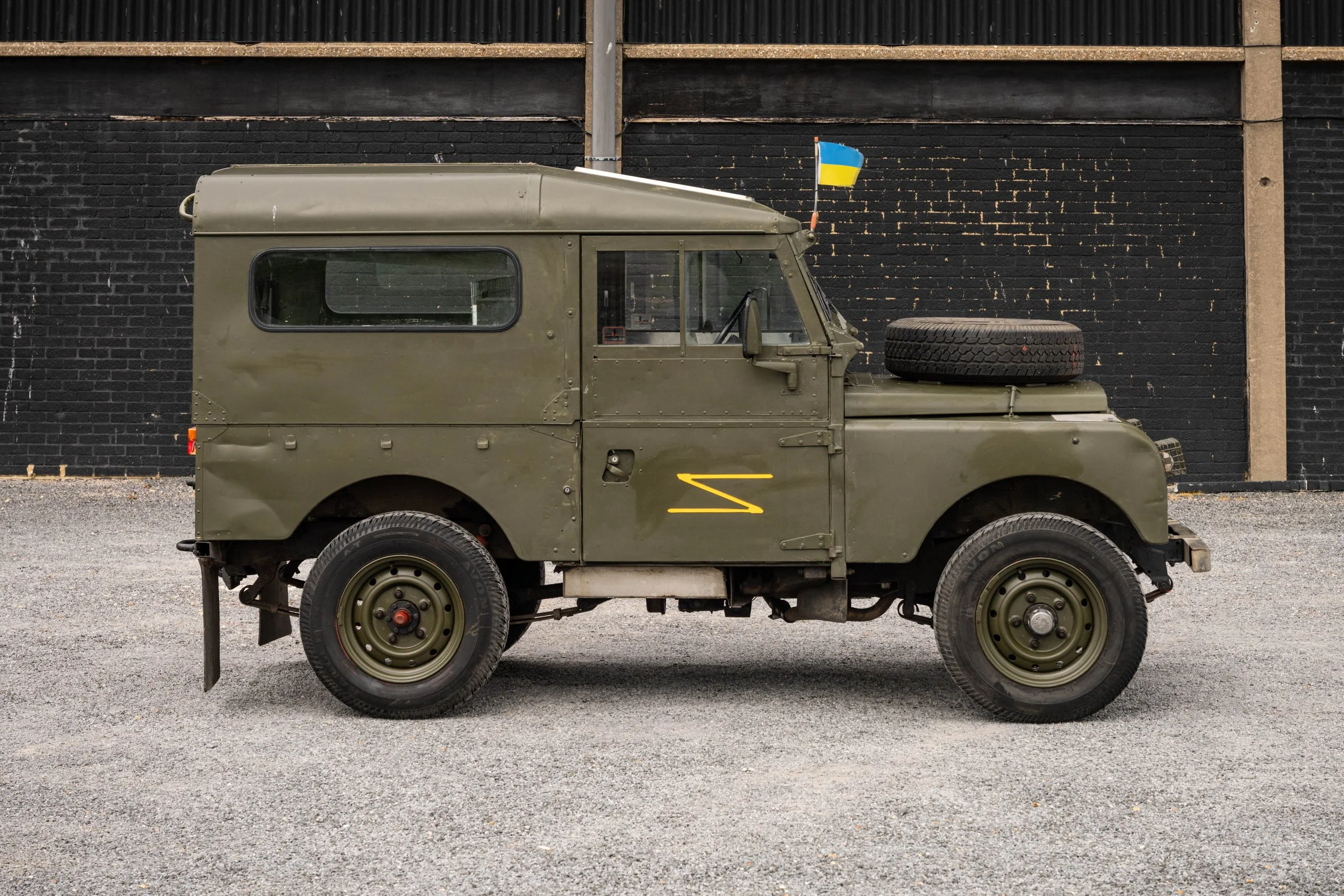
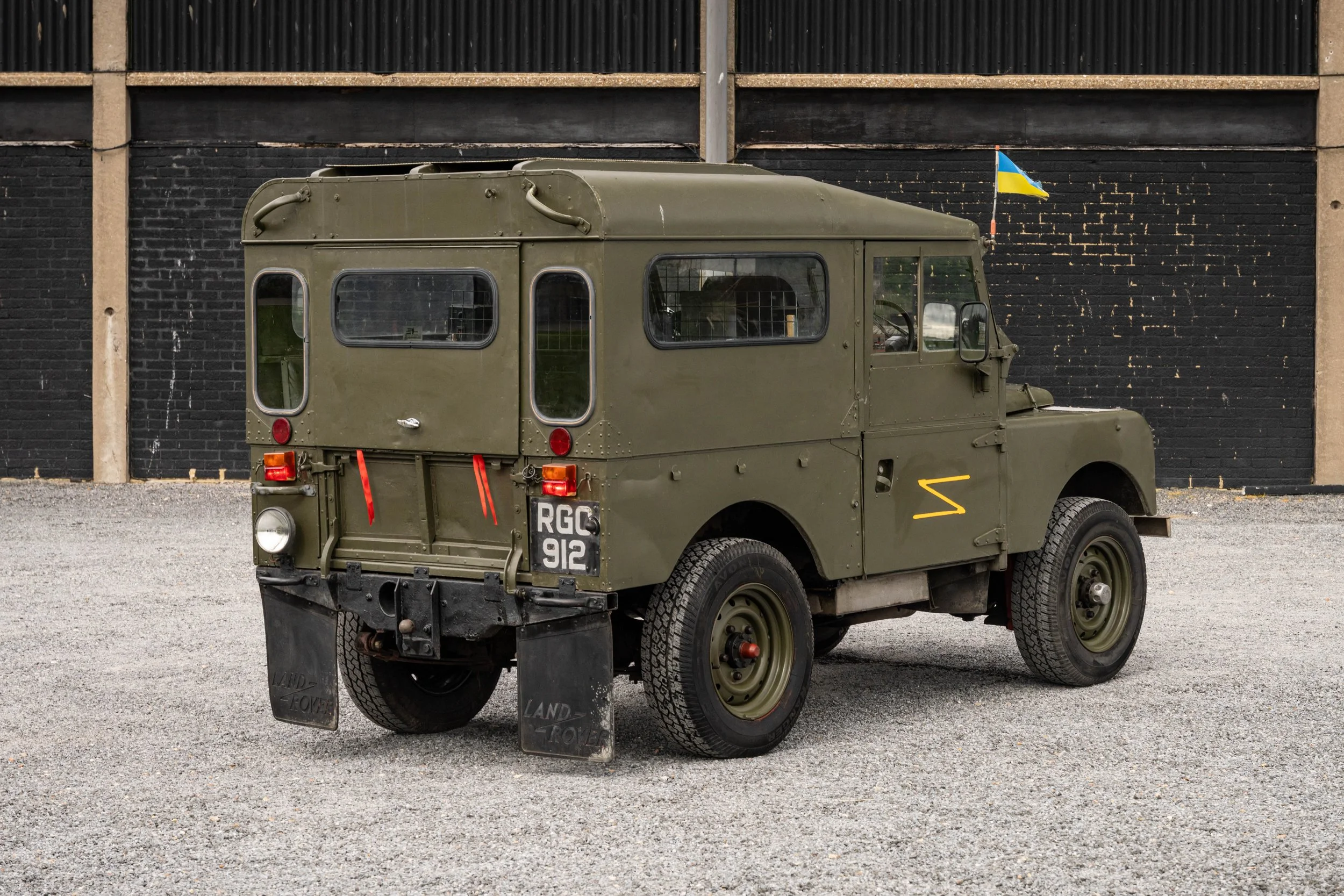
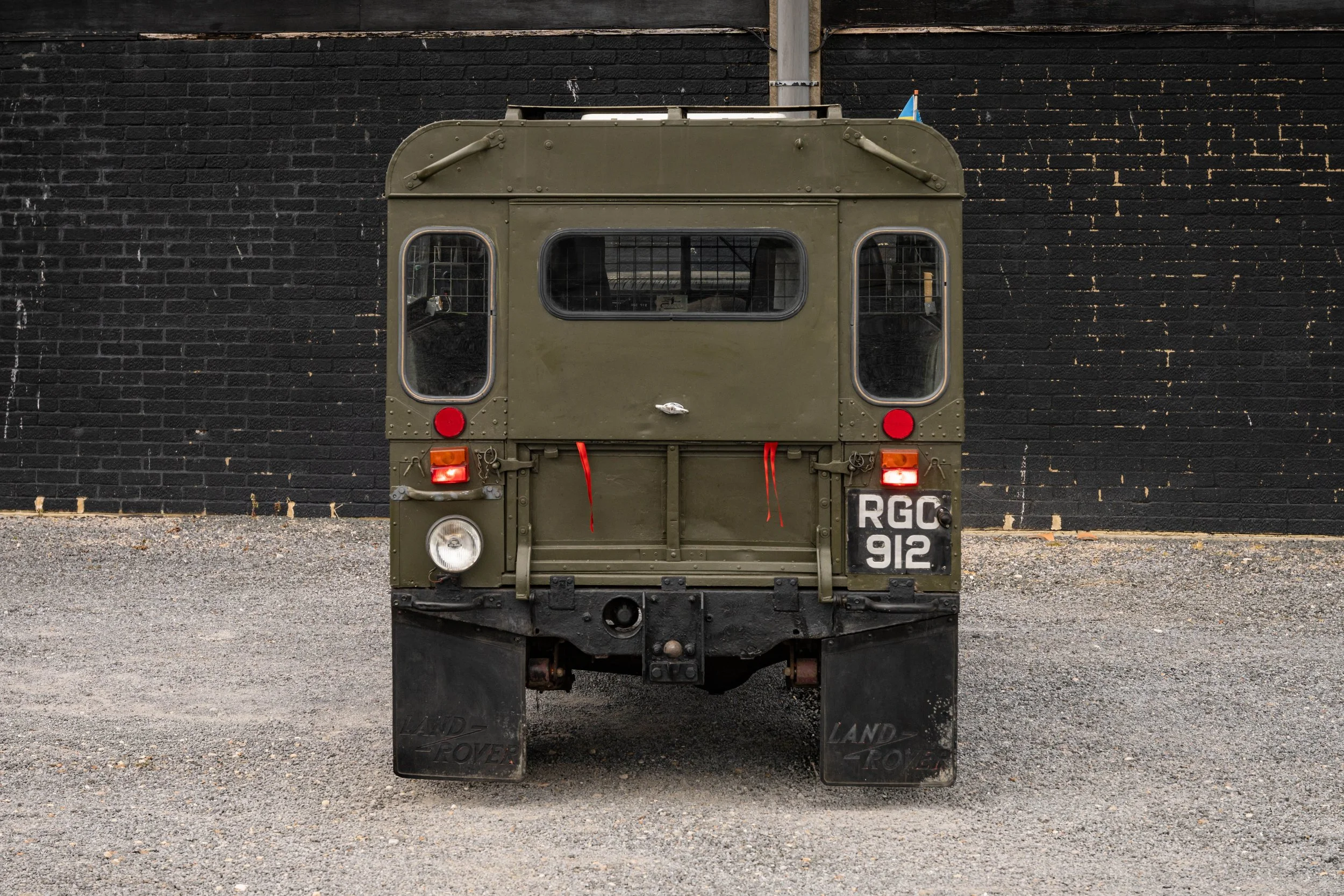
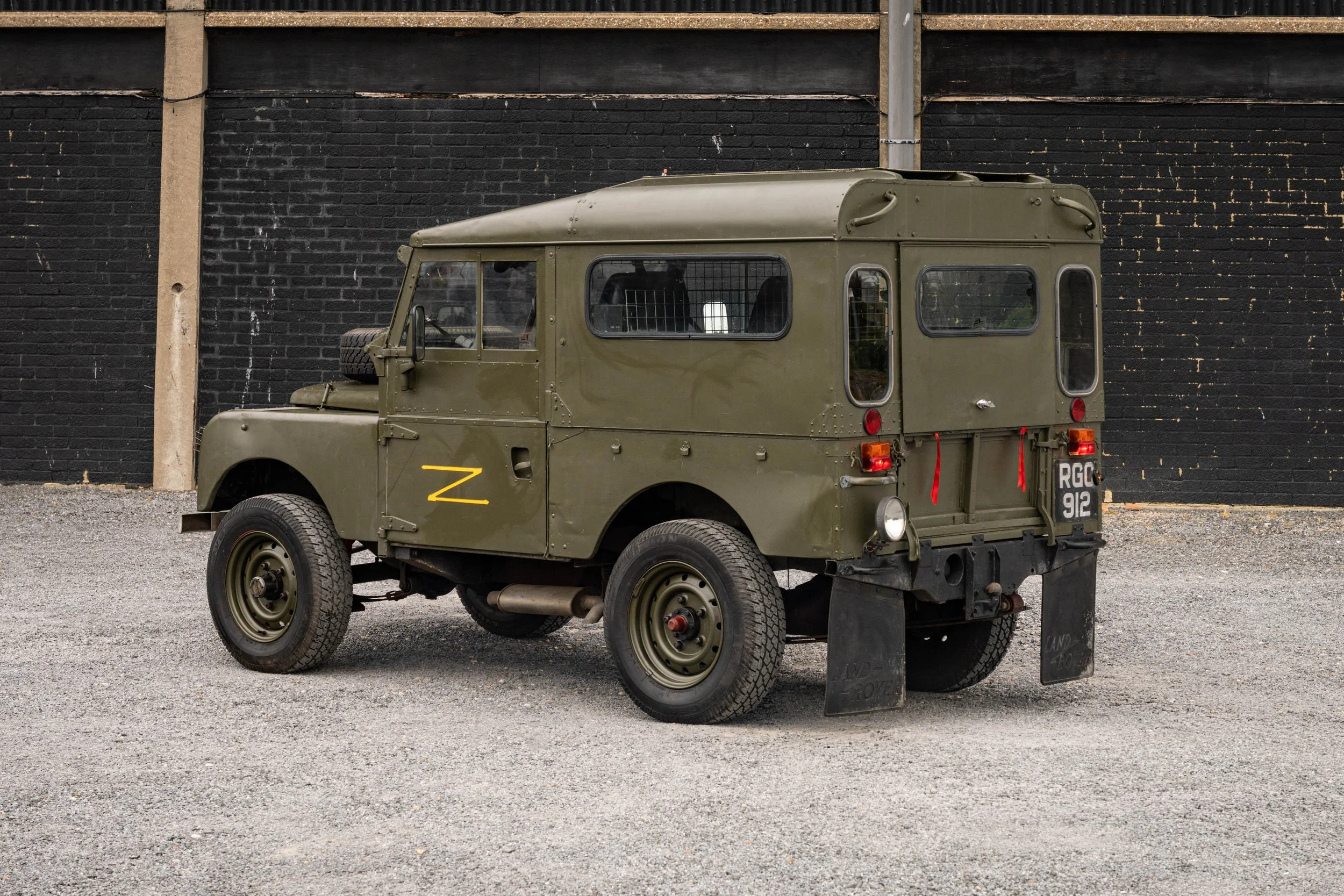
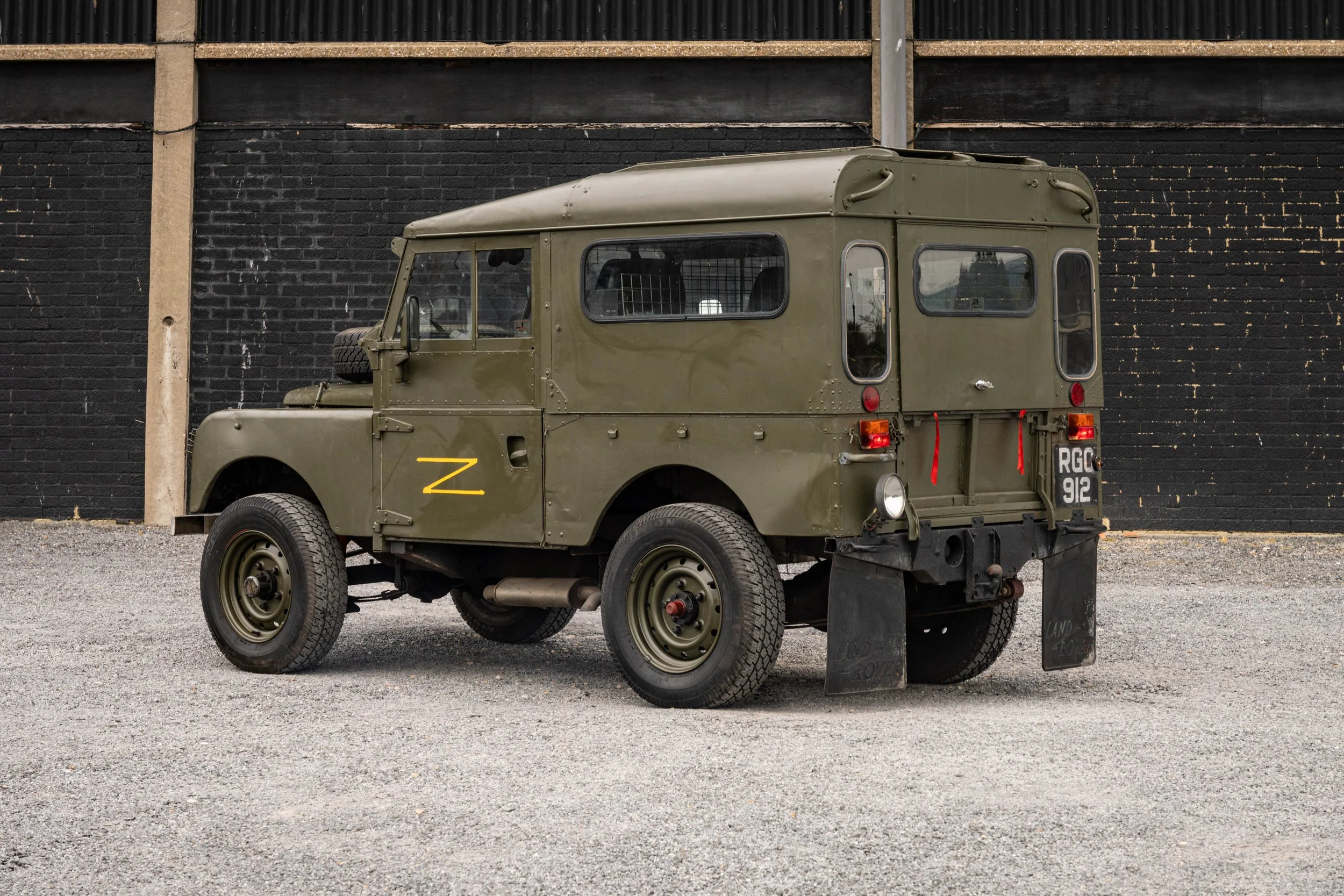
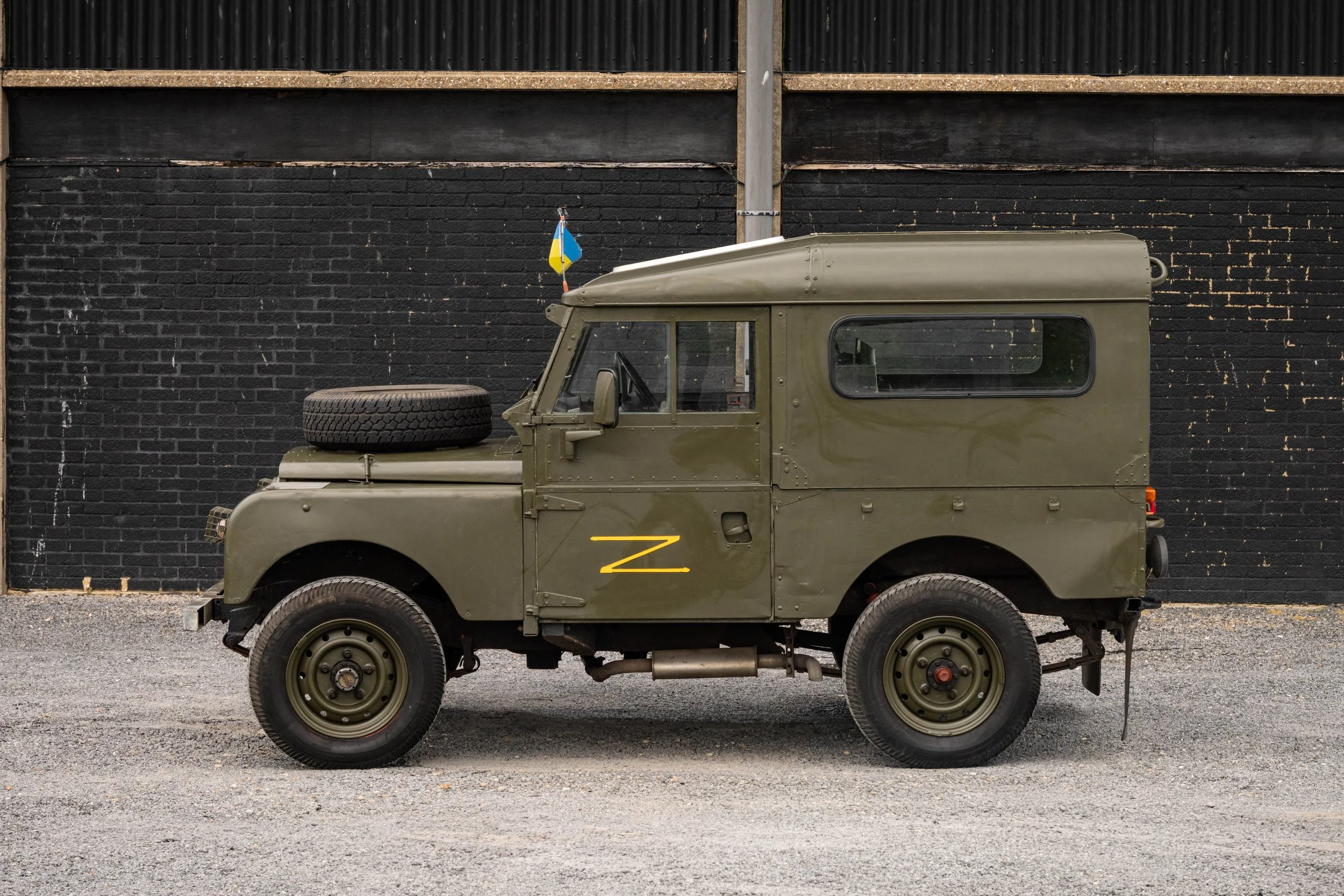
There are Series 1 Land Rovers… and then there are those that have evolved.
This 1956 Land Rover Series 1 86” sits right at the end of production for the short-wheelbase cars - a fleeting moment before the 88” replaced it. As such, it occupies a particularly interesting niche: the last of the truly early cars, yet benefitting from decades of thoughtful, real-world development.
And that, really, is the story here.
Rather than being restored into something over-finished or delicate, this example has been carefully engineered into a highly usable, characterful machine — one that retains the honesty of a Series 1, but with the mechanical depth to actually be driven.
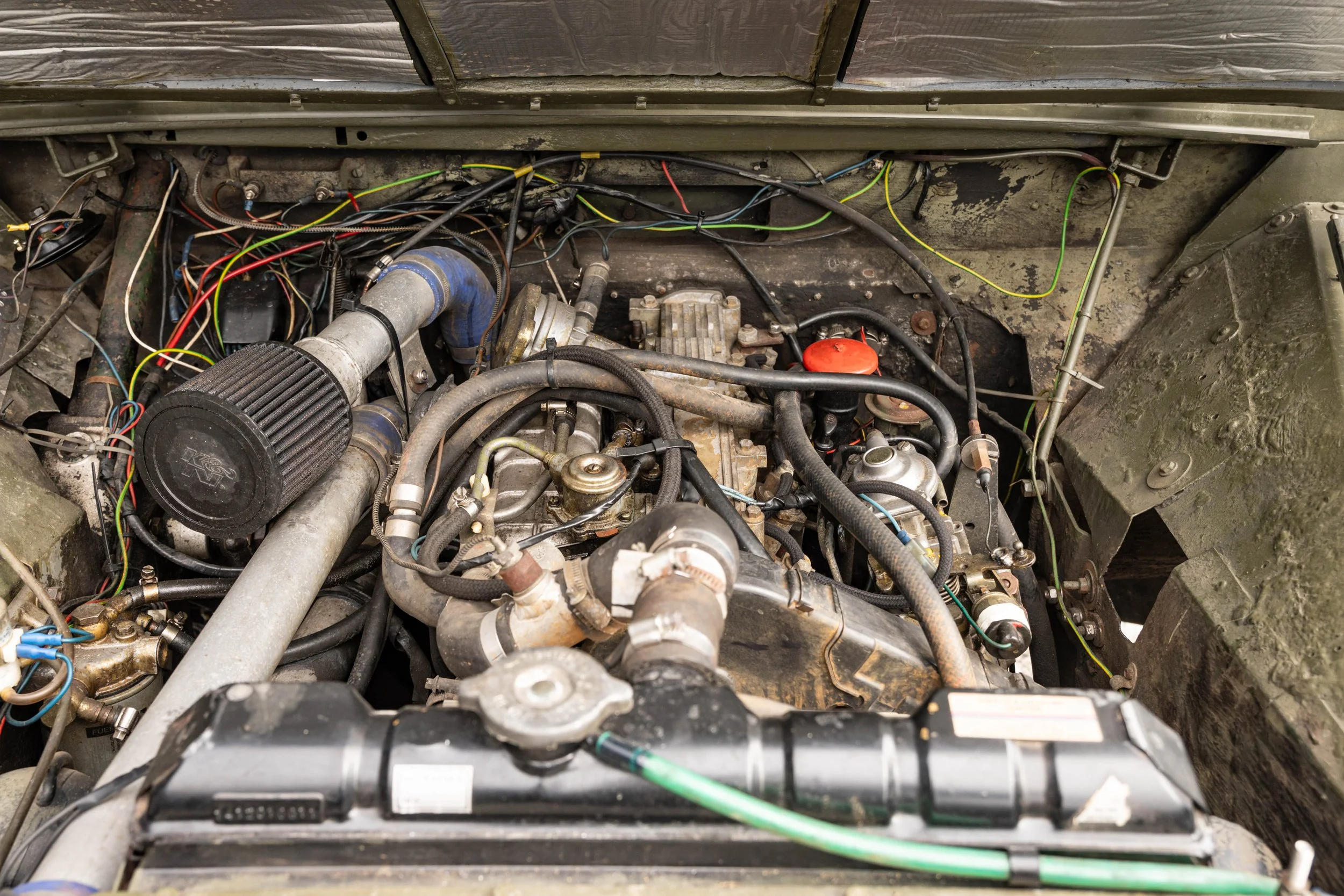
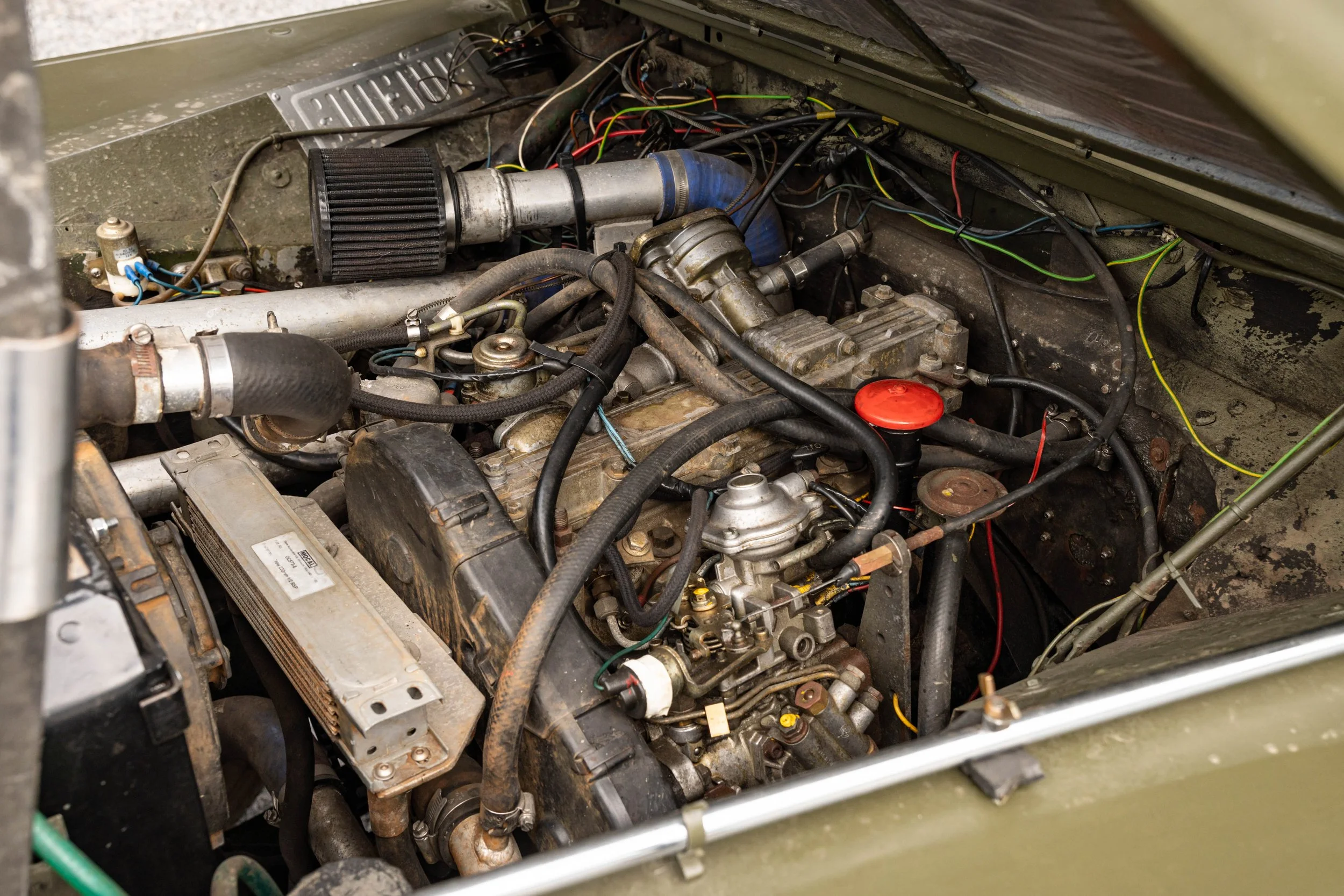
At its heart sits a Perkins Prima 80T diesel engine, fitted to deliver a markedly more capable driving experience than the original 2.0-litre petrol. Smoother, more flexible, and with a useful uplift in power, it transforms the car from something you tolerate into something you actively enjoy.
But it is the supporting upgrades that reveal just how well considered this example is.
The bulkhead — a known weak point on Series 1s — has been internally galvanised, addressing one of the most critical structural concerns with a long-term solution. Beneath, the chassis is described as solid and unwelded, giving the car the sort of integrity that underpins everything else.
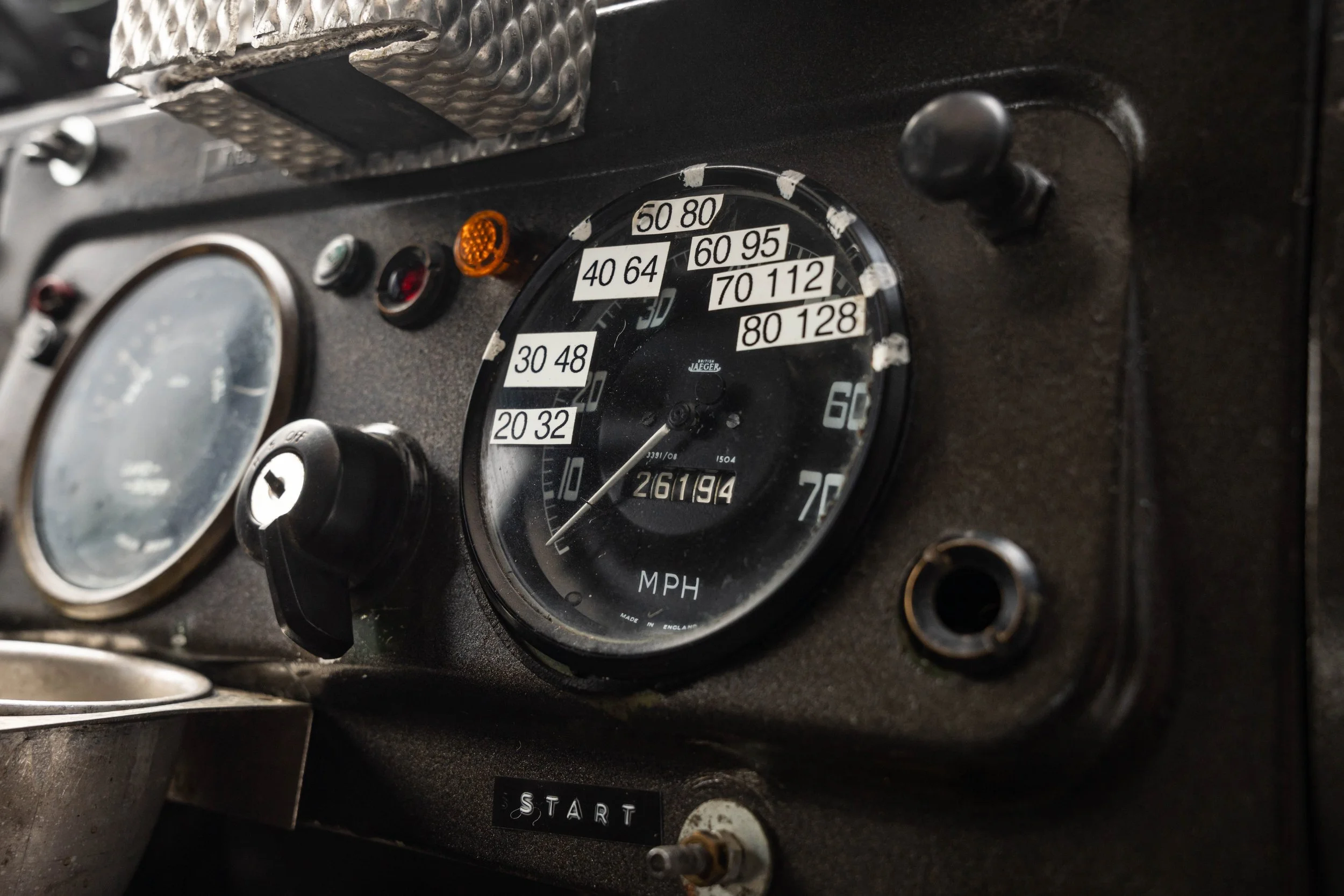
Mechanically, it has been subtly but intelligently enhanced. High-range 16-spline differentials improve drivability, while the addition of an overdrive transforms cruising ability — allowing the car to achieve a genuinely usable 75mph at around 2,000rpm. For anyone who has driven a standard Series 1, that figure alone tells you everything you need to know.
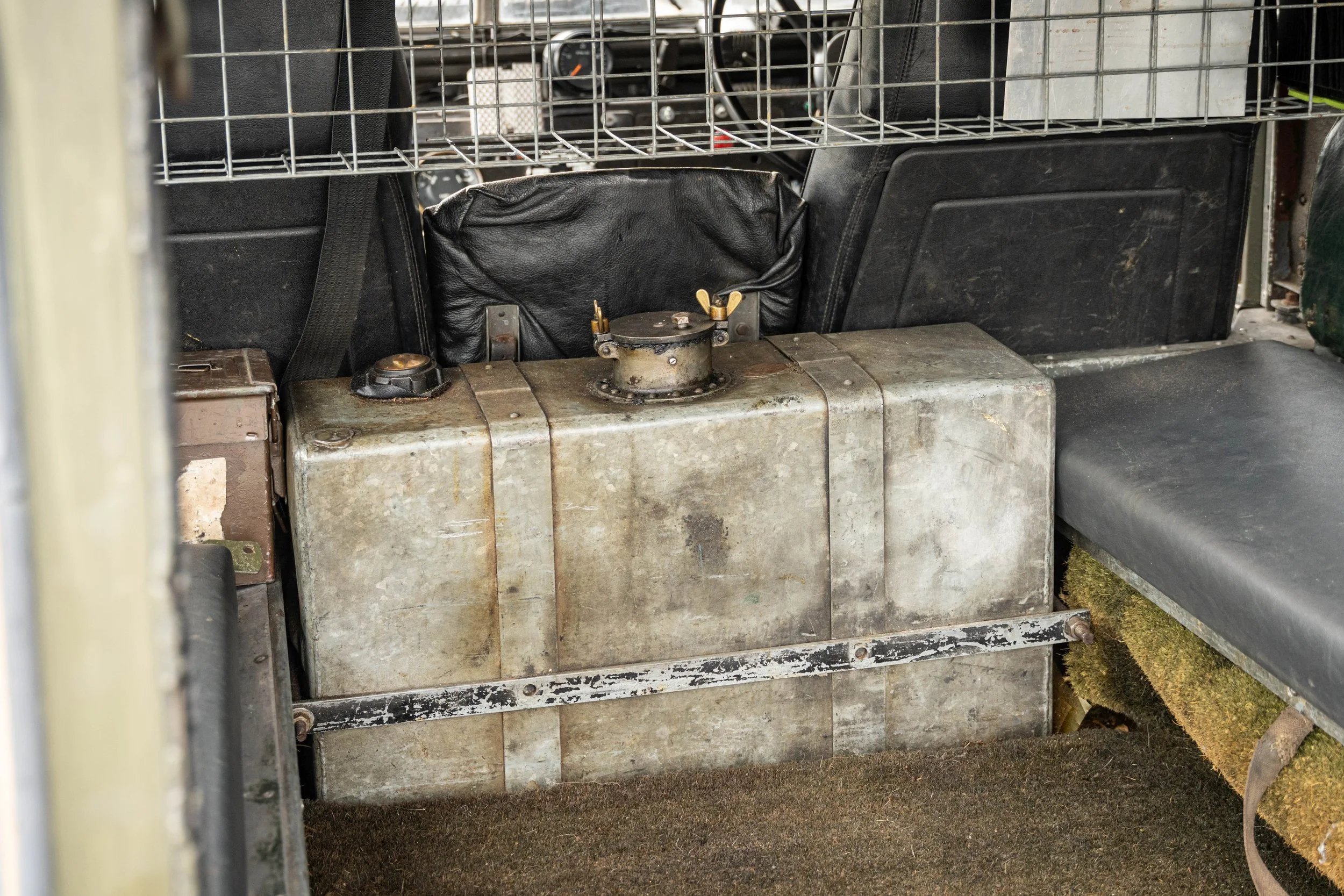
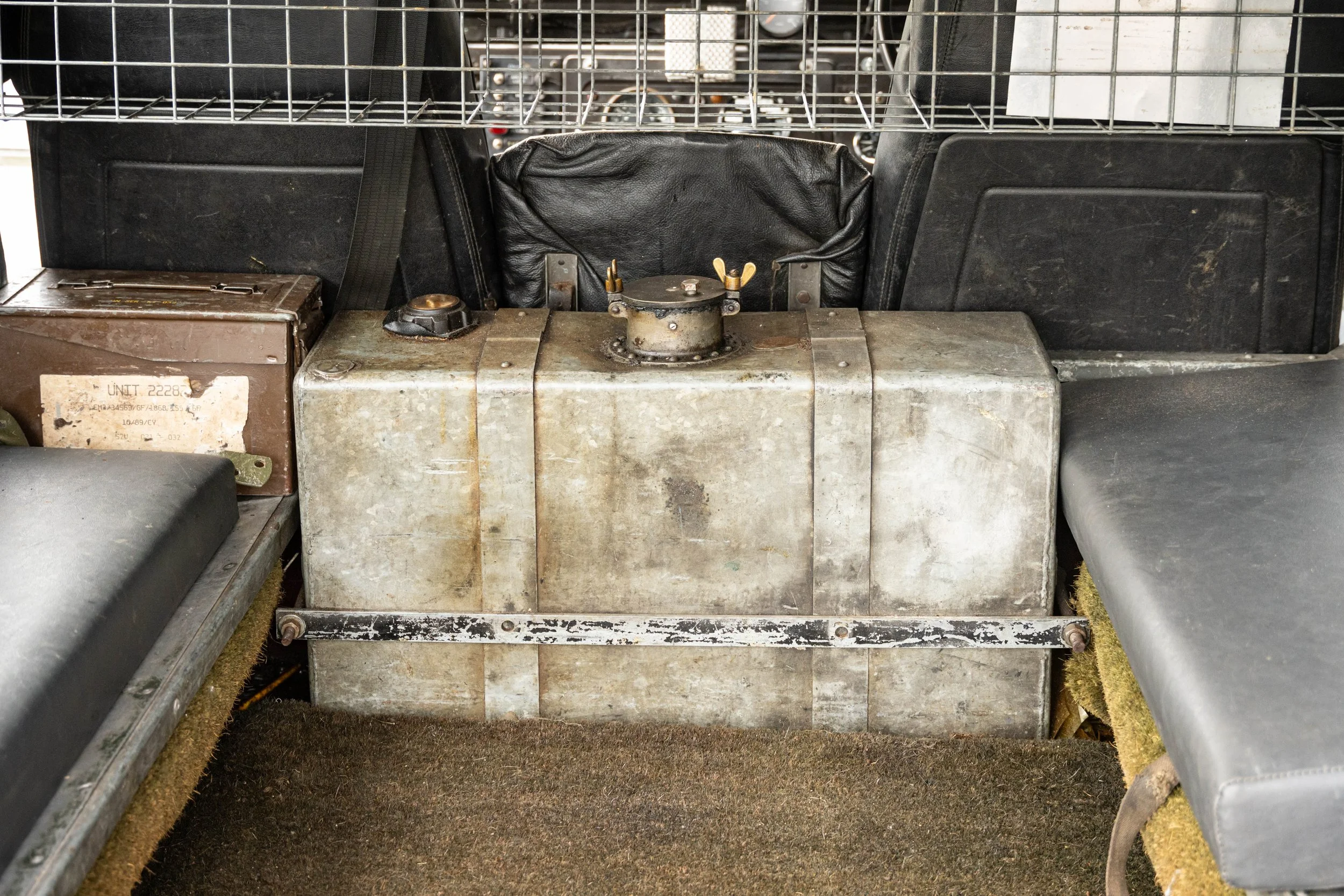
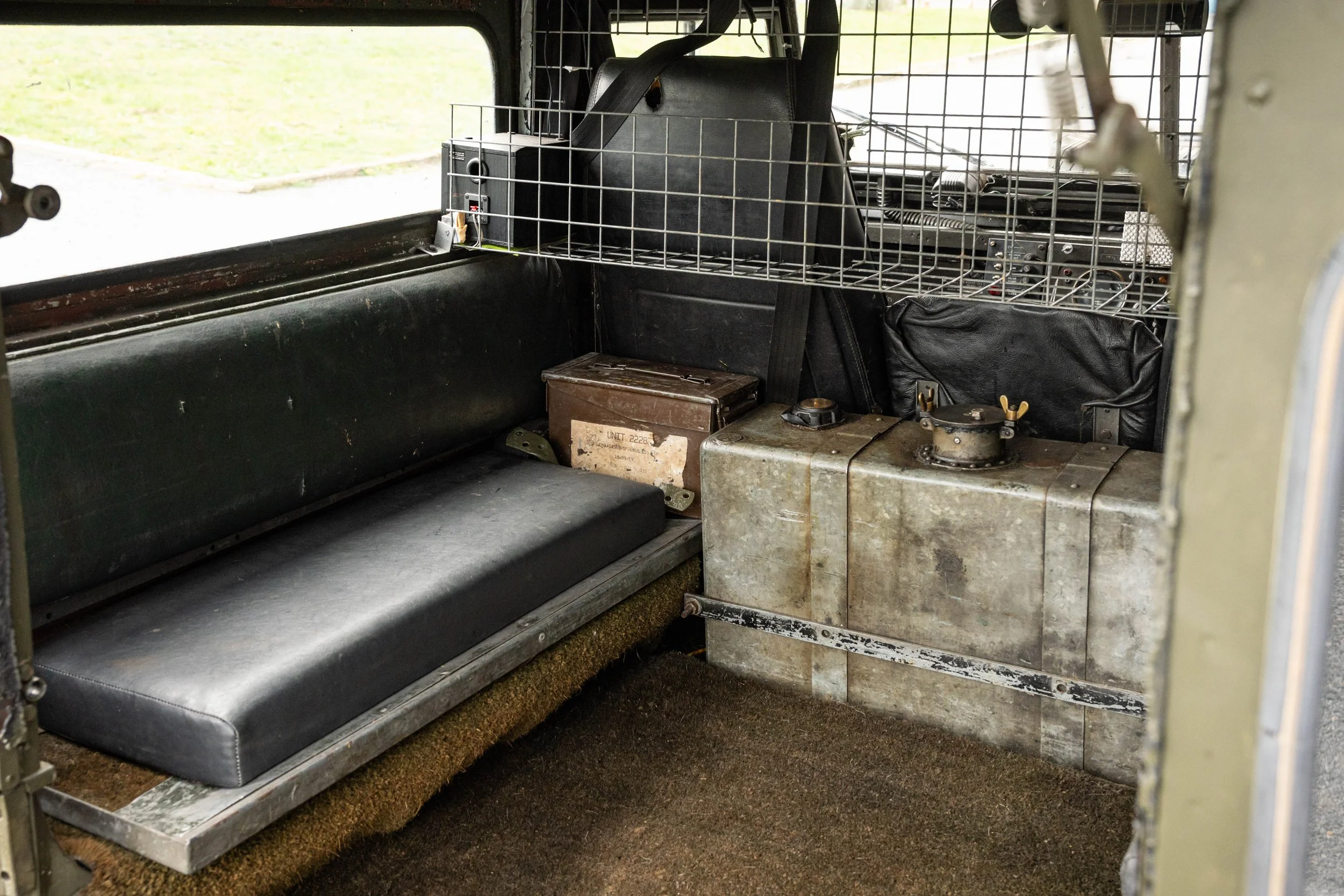
Further improvements include front disc brakes, offering a welcome increase in stopping confidence, and an additional 10-gallon fuel tank, extending the car’s touring range significantly. Together, these upgrades shift the car firmly into the realm of usability, rather than occasional novelty.
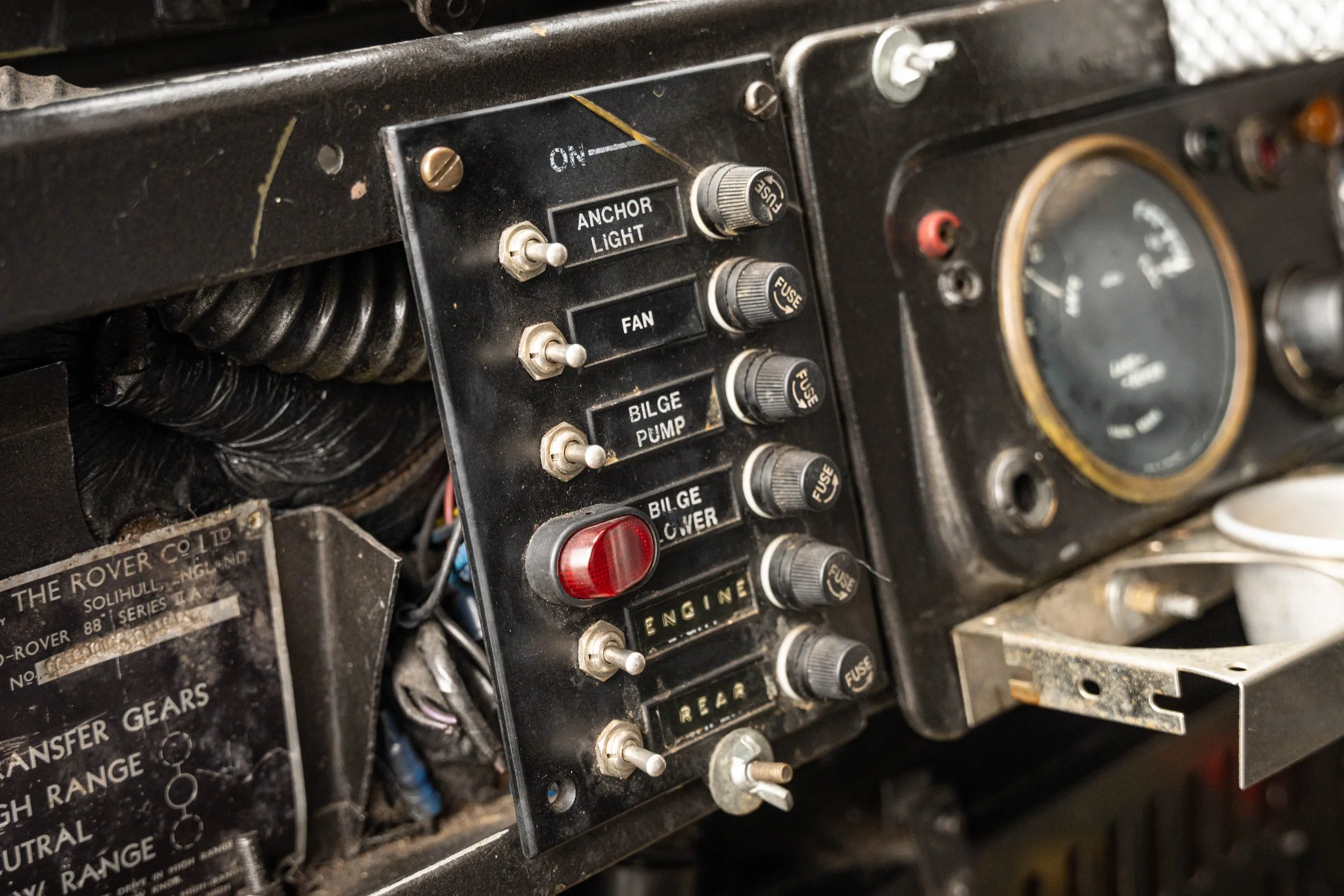
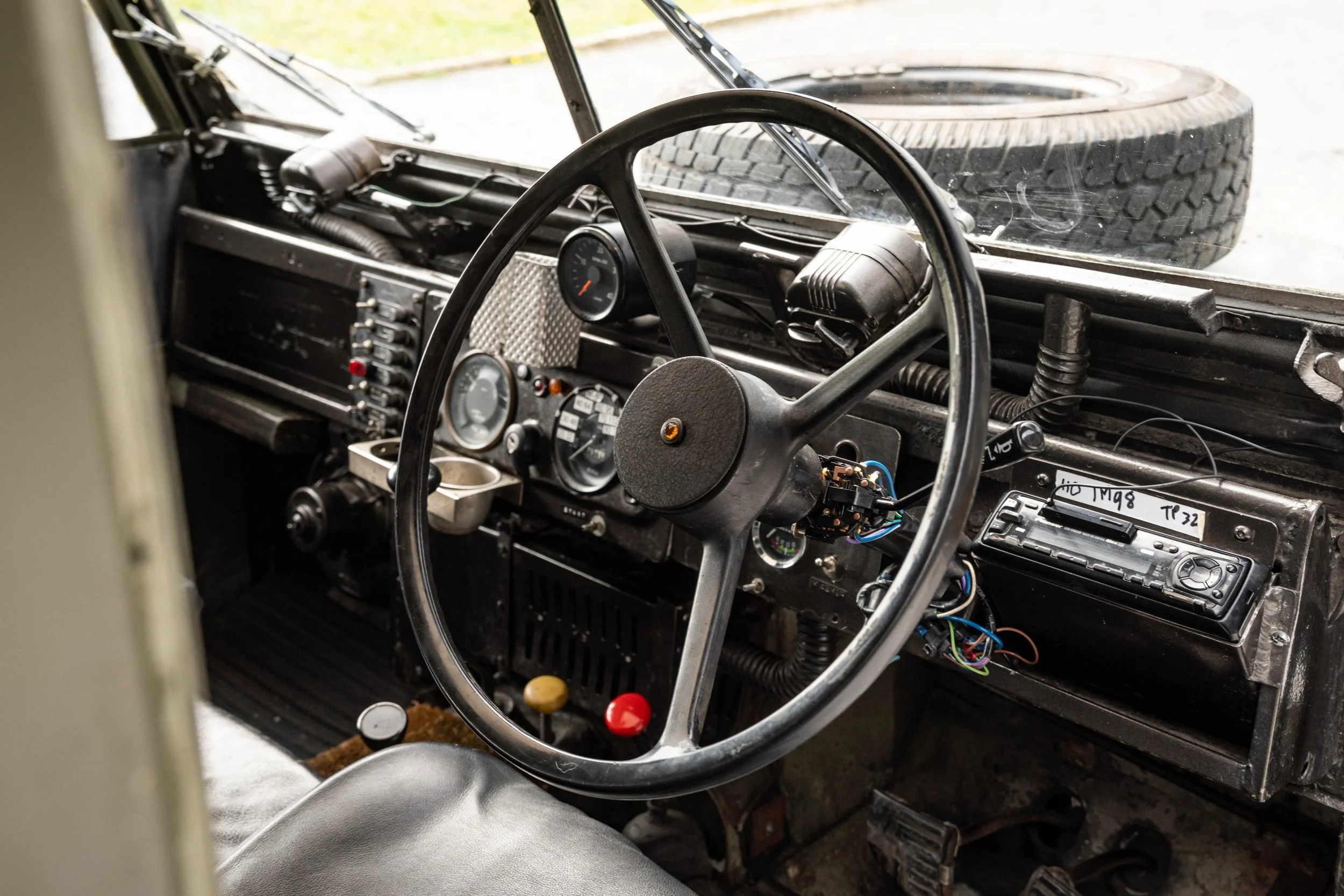
There is also a practical, almost industrial charm to some of the details. A discreet battery isolation system — operated via a concealed switch beneath the dash — adds both security and functionality, while upgraded ignition and electrical systems reflect an owner who intended to use the car properly, not simply admire it.
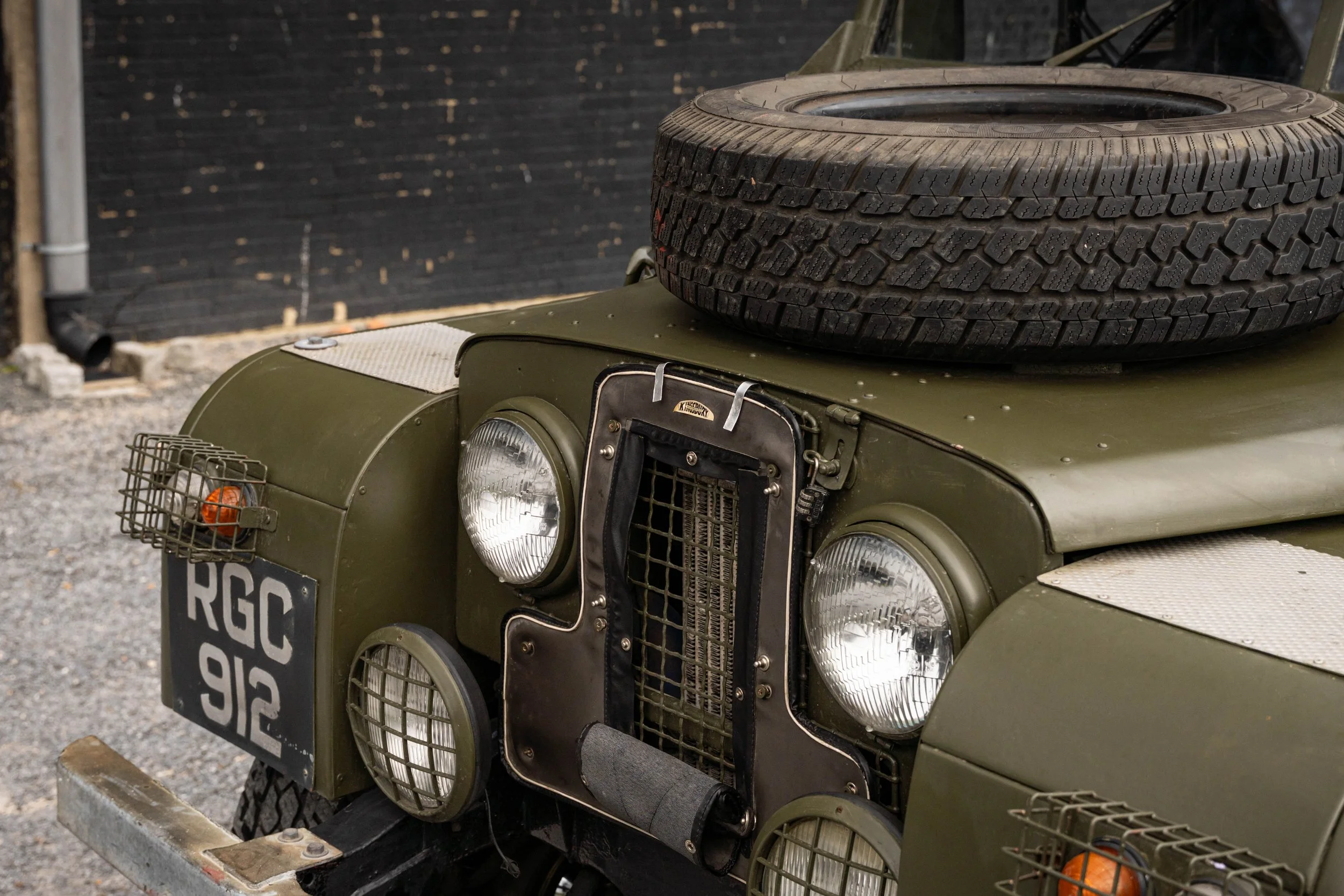
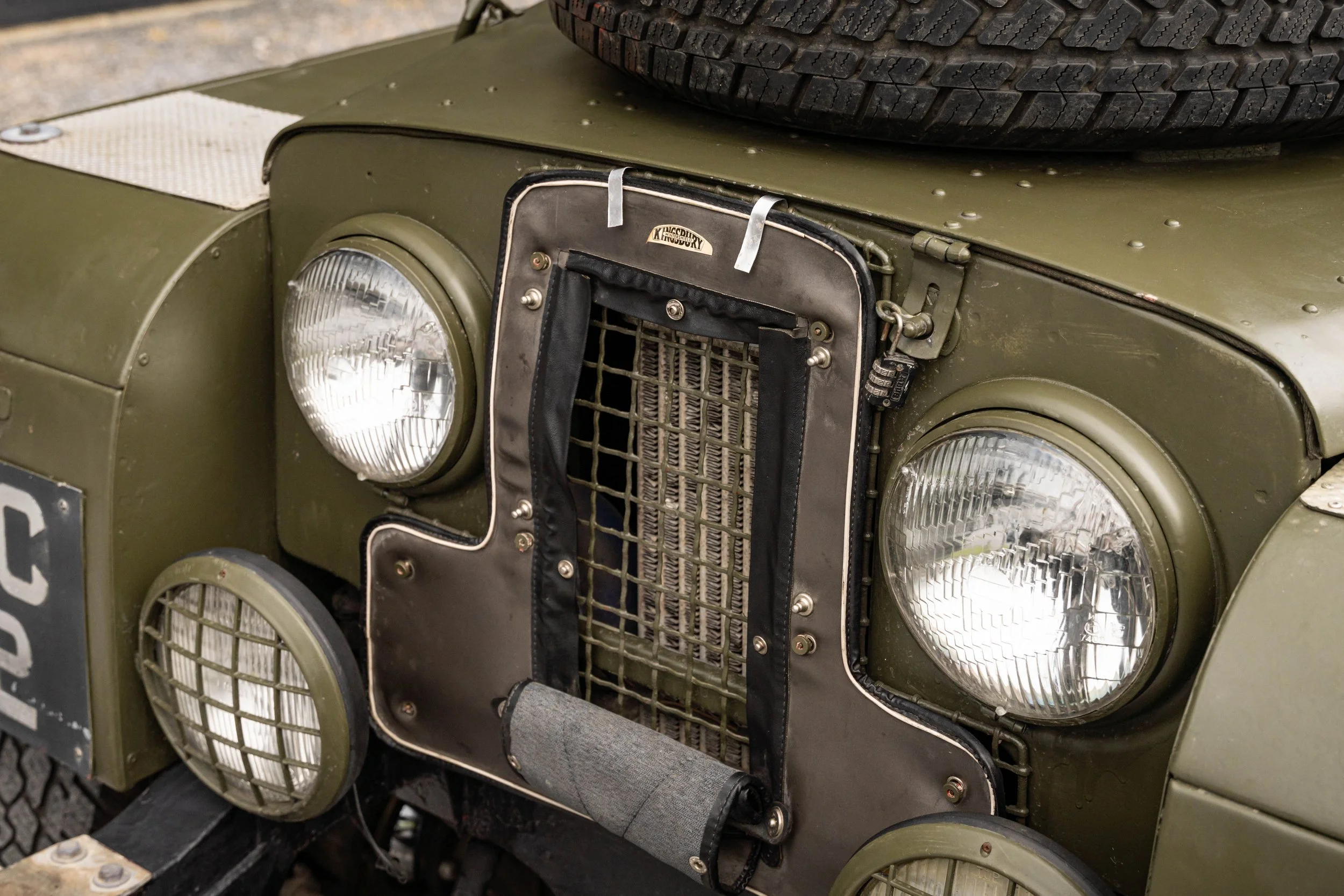
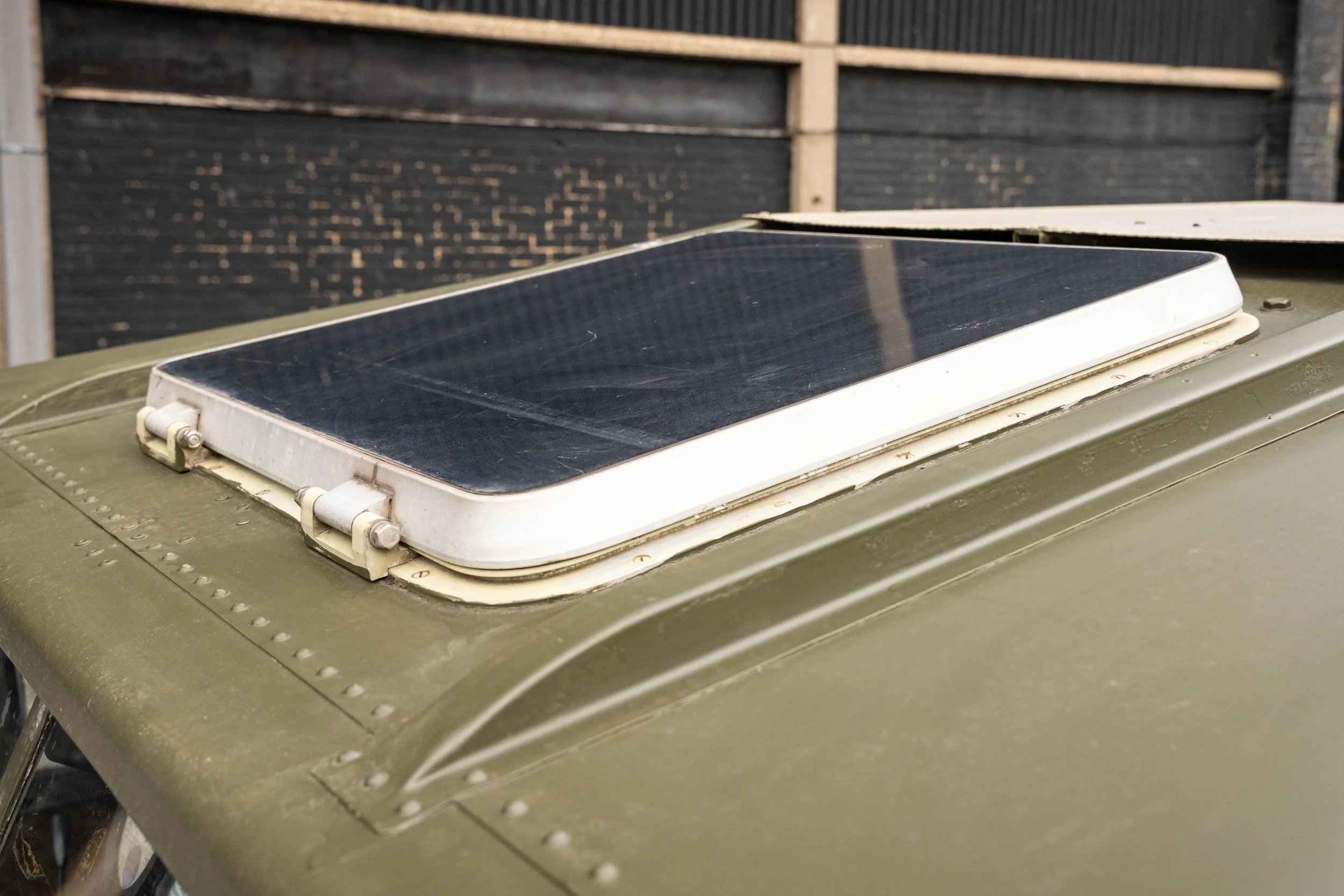
Visually, the car presents with a purposeful, lightly military aesthetic — enhanced by details such as the snow cover grille and its rare hard top with sun roof. It has presence, but avoids theatrics. The bodywork wears its age honestly, with patina that feels earned rather than applied.
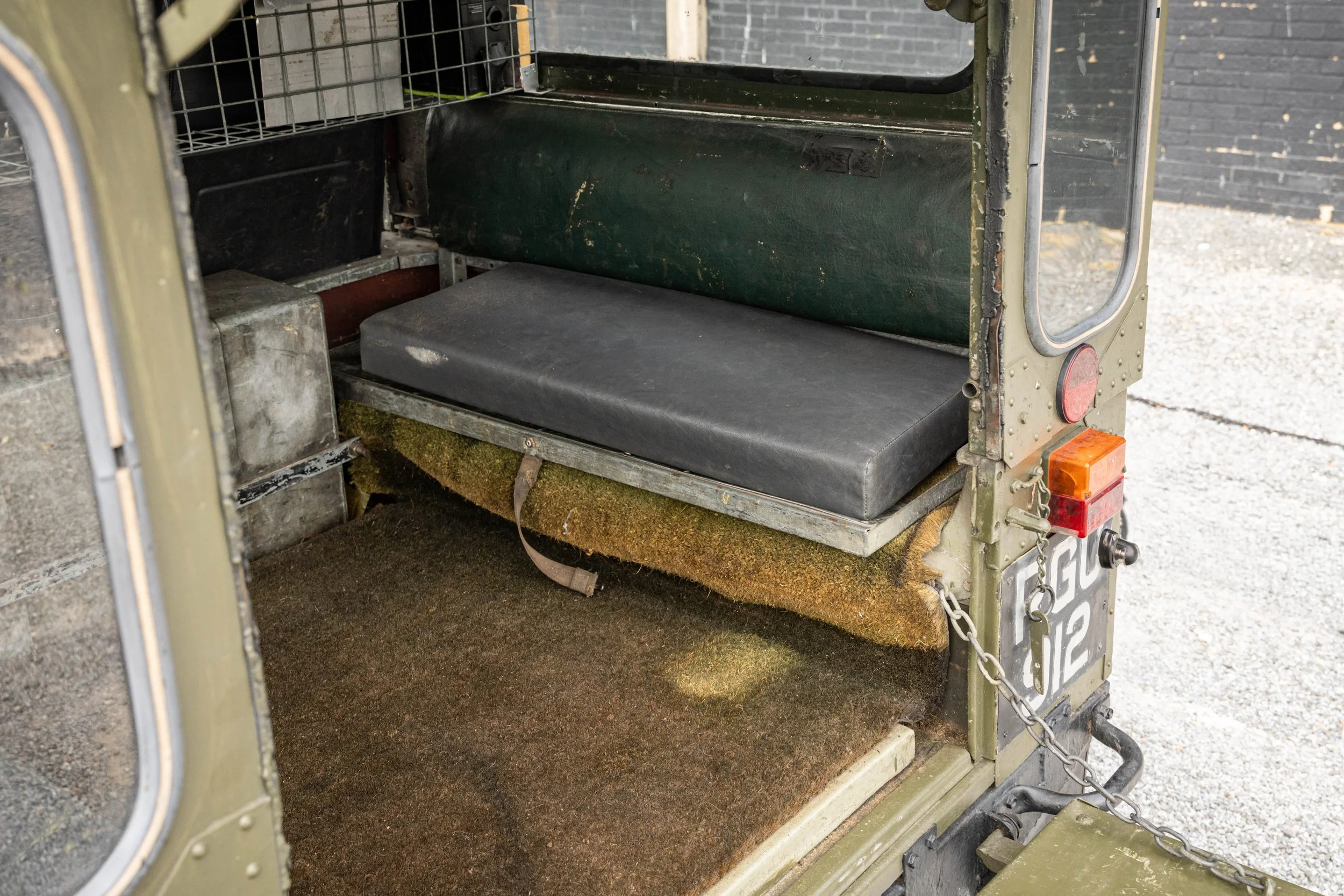
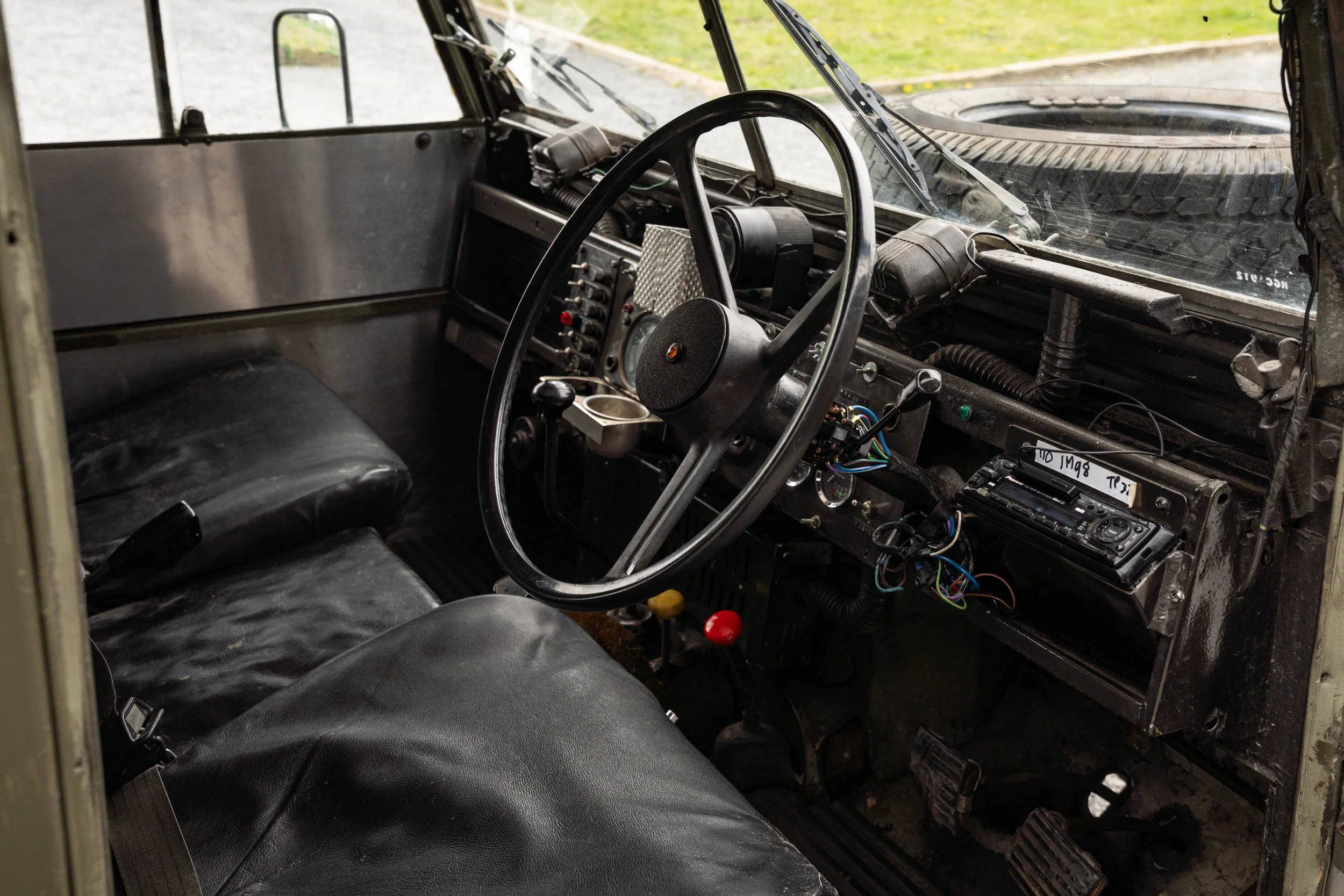
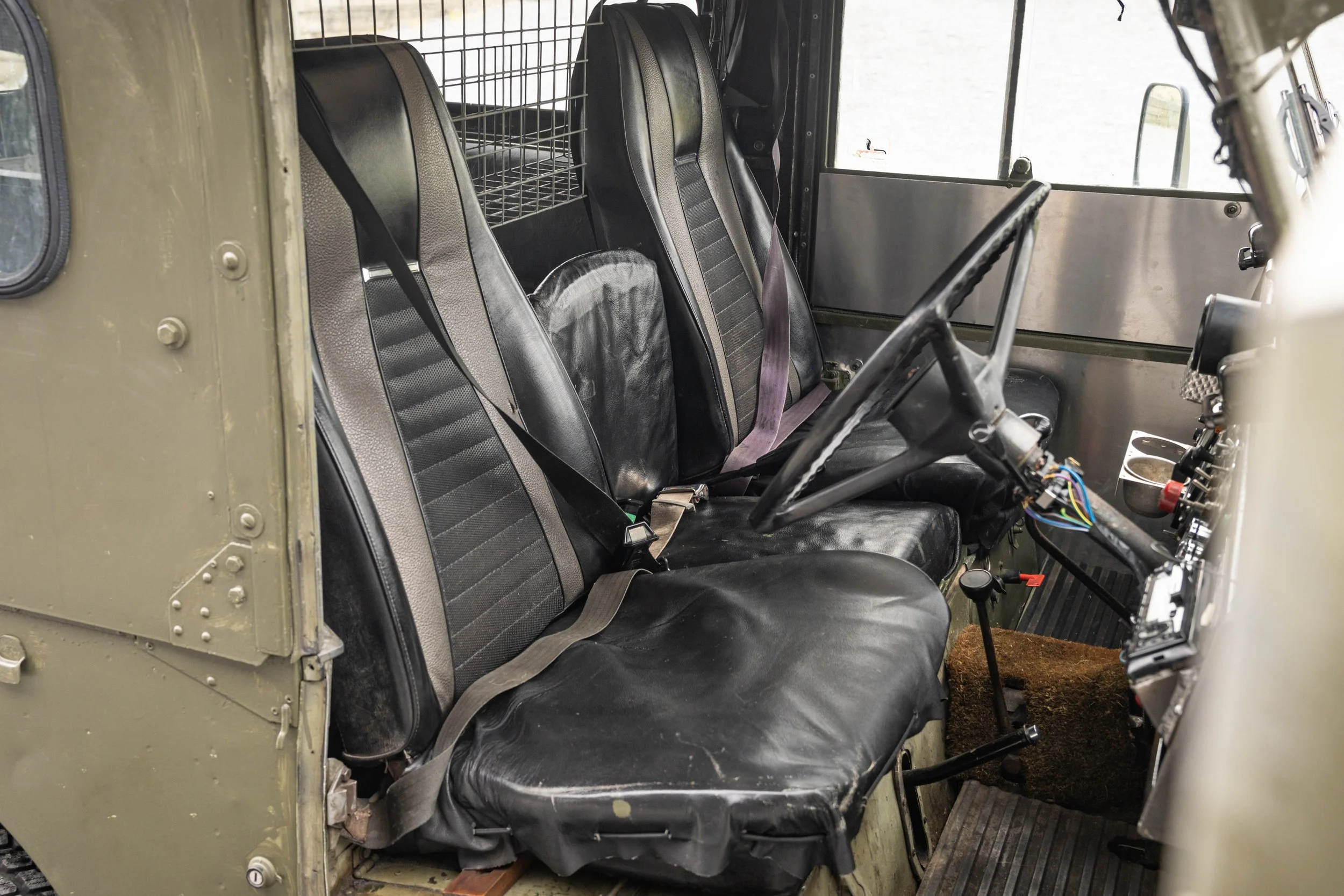
Inside, the same philosophy continues. The cabin has been gently improved with more comfortable seating and additional instrumentation, making longer journeys far more viable, while still retaining the utilitarian charm that defines a Series 1.
On the road, the effect is transformative. The Perkins engine delivers strong, usable torque, the overdrive relaxes the cruising experience, and the cumulative effect of the upgrades is a Land Rover that feels genuinely capable in modern conditions — without losing its essential character.
Importantly, this is not a freshly restored car hiding unknowns. It is a well-understood, well-used, and well-developed example. Minor oil leaks and age-related details remain, as they should — but crucially, there is no sense of looming structural work or deferred restoration.
Accompanying the car is a detailed history file documenting its evolution — from long-term ownership through to the engine conversion, ongoing servicing, and considered upgrades. It reflects stewardship rather than short-term ownership.
Market perspective
The market for early Series 1 Land Rovers has matured considerably in recent years. Collectors increasingly recognise the appeal of honest, usable examples over over-restored showpieces.
The 86” models, produced for a relatively brief period, sit in a particularly interesting position — representing the purest expression of the early Land Rover, yet in far smaller numbers than their successors.
What sets this car apart is not just its rarity, but its intent.
This is a Series 1 that has been engineered to be driven — properly and regularly — without sacrificing the charm, patina, and identity that make these cars so compelling.
And in today’s market, that balance is often far more valuable than perfection.
£28,995