
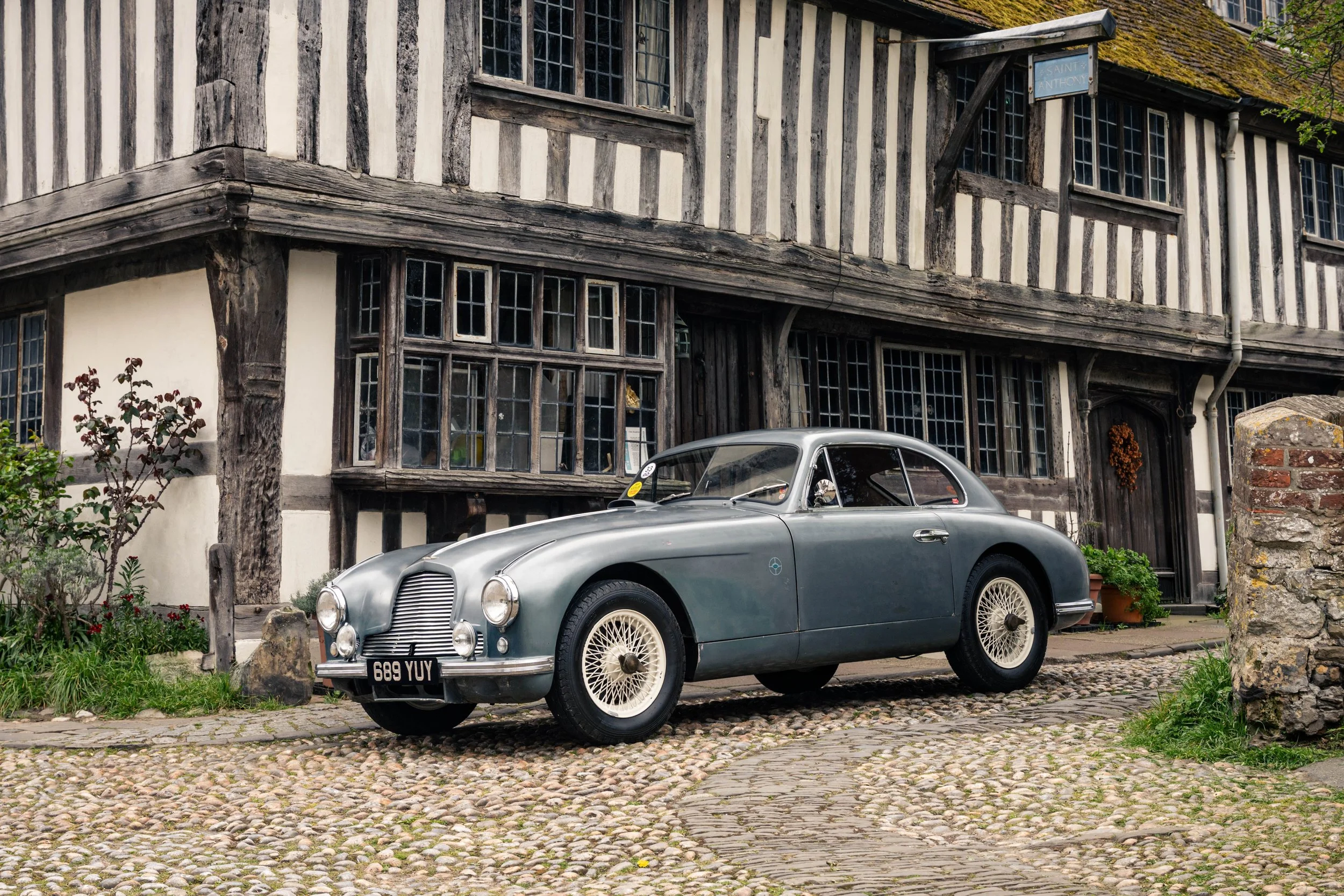
Rye’s automotive heritage stretches from the earliest days of motoring to the heights of Formula One. What began with local workshops repairing early cars evolved into a centre of engineering skill, most famously through Harry Weslake and the creation of the Gurney-Weslake V12 engine. Today, Rye’s legacy in motorsport, restoration and mechanical craft is recognised worldwide, and the town remains a focal point for enthusiasts and historians alike.
RYE’S AUTOMOTIVE HISTORY
1900s–1930s: Early Motoring and Engineering Roots
Arrival of the first motor vehicles in Rye and Romney Marsh.
Local blacksmiths and mechanical workshops begin repairing and modifying early cars and motorcycles.
Informal motoring clubs and trials appear on the Marsh roads.
Foundation laid for the region’s long-term automotive craft culture.
1940s–1950s: Post-War Vehicle Repair and Tuning
Local garages service surplus military vehicles after WWII.
Growth in motorcycle ownership fuels demand for tuning and engine work.
Rye develops a reputation for mechanical skill and precision.
Harry Weslake establishes expanding R&D activity in the area, setting the stage for motorsport involvement.

1950s–1960s: Weslake Engineering in Rye
Weslake Engineering becomes a major force in engine design, particularly cylinder heads and airflow development.
Clients include major British marques such as Jaguar, Austin, MG and various racing teams.
Rye becomes a recognised centre for high-performance automotive engineering.
1964–1968: The Gurney-Weslake F1 Era
Dan Gurney forms All American Racers (AAR) and establishes Anglo American Racers in partnership with Weslake.
Rye becomes the European base for the team’s Formula One programme.
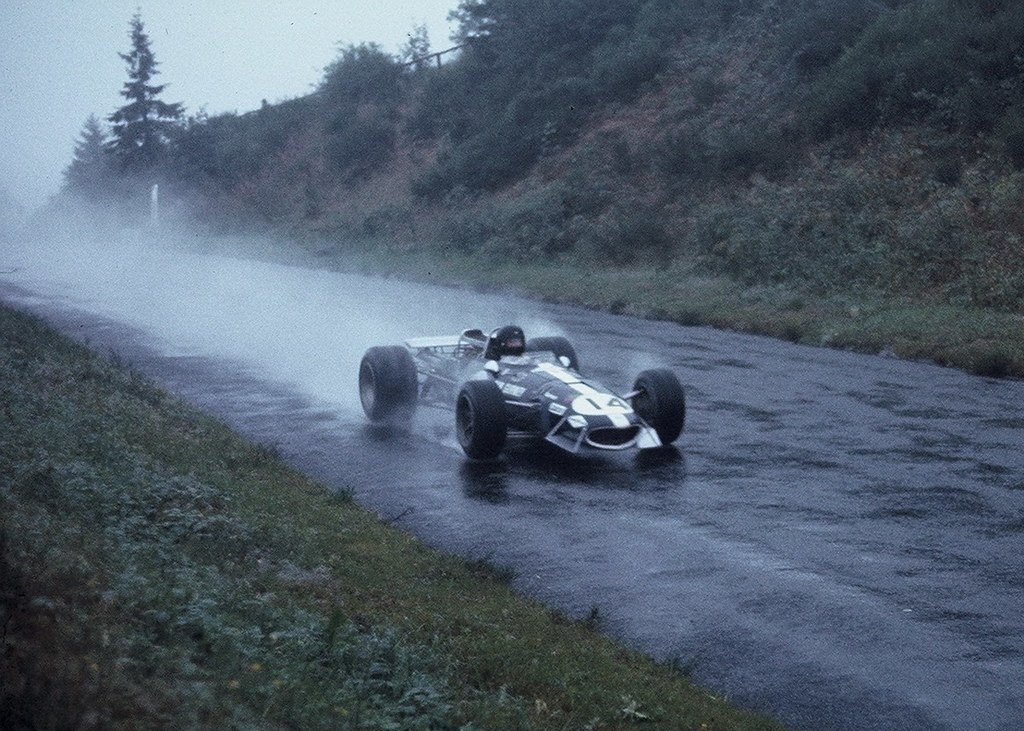
Development of the Gurney-Weslake V12 engine takes place in Rye.
1967 Belgian Grand Prix: Dan Gurney wins in the Eagle Mk1, powered by the Rye-built V12.
The programme concludes in 1968, but its legacy cements Rye’s place in global motorsport history.
1970s–1980s: Speedway and Specialist Engines
Weslake shifts focus to motorcycle and speedway engines, becoming a dominant supplier.
Rye engineers produce parts for championship-winning bikes.
Specialist machining, fabrication and tuning workshops grow across the area.
1990s: Rise of Classic Car Culture
Classic car and motorcycle restoration businesses flourish in Rye and Romney Marsh.
Local events, rallies and clubs celebrate heritage motoring.
Weslake’s historical work attracts collectors and enthusiasts.
2000s: Heritage Recognition and Revival
Goodwood Revival and other historic events showcase the Eagle Mk1 and Weslake engines, often referencing their Rye origins.
More restoration specialists arrive in the region, handling British sports cars, speedway bikes and imported classics.
Rye’s motorsport legacy begins receiving wider media coverage.
2010s–2020s: Restoration, Collectors and Motorsport HistorY
High-end restoration shops and engineering specialists continue to operate in and around Rye.
Several Weslake V12 engines and Eagle chassis are restored for historic racing.
Documentaries, magazines and exhibitions highlight Rye’s role in British and American motorsport collaboration.
Classic car meets and heritage events reinforce the town’s automotive identity.
Today: A Recognised Automotive Heritage Hub
Rye is known internationally for its connection to the Gurney-Weslake F1 programme, its role in British engine development, and its ongoing automotive craftsmanship. The town remains a destination for enthusiasts, restorers, engineers and motorsport historians.